Understanding Your GE Electric Self-Cleaning Oven
GE electric self-cleaning ovens offer convenience, but require careful operation as detailed in the Owners Manual for optimal performance and safety.
Oven Model and Manual Location
Identifying your GE electric oven’s specific model number is crucial for accessing the correct Owners Manual and support resources. This number is typically found on a label located on the frame of the oven door, or on the back panel.
The manual provides detailed instructions tailored to your model, including safety precautions, operating procedures, and troubleshooting tips. You can often find a digital copy of your manual on the GE Appliances website (ge.com) by entering your model number. Keeping this information readily available ensures you can properly utilize and maintain your self-cleaning oven.
Safety Precautions Before Self-Cleaning
Prior to initiating the self-clean cycle on your GE electric oven, several safety precautions are essential. Always ensure the kitchen is well-ventilated, as the process can release odors and a small amount of carbon monoxide. Keep children and pets away from the oven during operation due to the extremely high temperatures reached.
Review the Owners Manual for specific warnings related to your model. Never attempt to force the door open during the cycle, as it will be locked automatically. Avoid touching the oven’s interior surfaces until it has completely cooled down.
Preparing for the Self-Clean Cycle
Proper preparation involves removing racks and accessories, wiping away loose debris, and ensuring adequate kitchen ventilation before starting the self-clean process.
Removing Oven Racks and Accessories
Before initiating the self-clean cycle on your GE electric oven, it’s crucial to remove all oven racks, broiler pans, baking stones, and any other accessories stored inside. These items can become discolored or warped due to the extremely high temperatures reached during the cleaning process.
The Owners Manual specifically instructs users to only clean parts listed within its pages. Removing these items also ensures a more thorough cleaning of the oven’s interior, allowing the high heat to effectively reach all surfaces. Remember to replace the racks only after the oven has completely cooled down.
Wiping Away Loose Debris
Prior to running the self-clean cycle on your GE electric oven, a quick wipe-down of the interior is recommended. Remove any large food particles, spills, or loose debris from the oven floor and walls. This step helps minimize smoke and odors during the high-heat cleaning process.
While the self-clean function is designed to burn off residue, excessive buildup can sometimes lead to lingering smells or incomplete cleaning. The Owners Manual emphasizes cleaning only listed parts, but removing loose debris aids efficiency. A damp cloth is sufficient; avoid harsh chemical cleaners.
Ensuring Proper Kitchen Ventilation
Adequate kitchen ventilation is crucial when utilizing the self-clean cycle on your GE electric oven. The high temperatures generated during cleaning can release odors and a small amount of carbon monoxide. Open windows and activate your kitchen exhaust fan to ensure proper airflow.
The Owners Manual notes that fiberglass insulation emits minimal carbon monoxide. Ventilation minimizes exposure. Avoid prolonged exposure to any fumes. Ensure pets and individuals sensitive to air quality are kept away from the kitchen during the cycle. Proper ventilation contributes to a safer and more comfortable cleaning experience.
Initiating the Self-Clean Cycle
To begin, close the oven door and select the desired clean cycle duration, as outlined in your GE appliance’s Owners Manual.
Selecting the Clean Cycle Duration
GE electric ovens typically offer varying self-clean cycle lengths, often ranging from 2 to 4 hours, depending on the soil level within the oven. Consult your Owners Manual to understand the specific options available on your model. A lighter cleaning, around 2 hours, is suitable for minimal spills and residue.
Heavier soiling necessitates the longer, 4-hour cycle for thorough cleaning. Remember that longer cycles consume more energy. Some models feature a “steam clean” option, a shorter, lower-temperature cycle ideal for light cleaning and utilizing less energy than the high-heat self-clean function. Always refer to the manual for precise instructions and recommendations tailored to your oven.
Locking the Oven Door
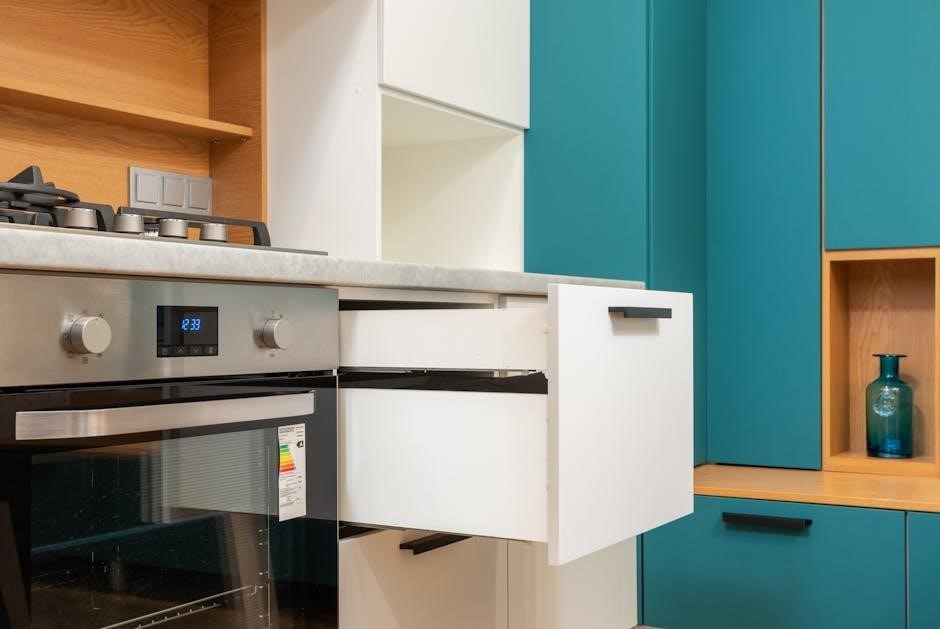
GE self-cleaning ovens automatically lock the door before the cycle begins as a crucial safety feature due to the extremely high temperatures reached during self-cleaning. This prevents accidental opening during operation, protecting users from burns. The door remains locked until the oven cools sufficiently, typically several hours after the cycle completes.
Do not attempt to force the door open; this could damage the locking mechanism. The Owners Manual details the locking system specifics for your model. A locked door indicator light illuminates, confirming the safety lock is engaged; Ensure children and pets are kept away from the oven during and after the self-clean cycle.

Monitoring the Self-Clean Cycle
GE ovens reach high temperatures during self-cleaning, and the fiberglass insulation emits a small amount of carbon monoxide; proper ventilation is key.
Understanding the High Temperatures
GE electric self-cleaning ovens utilize extremely high temperatures, often exceeding 900°F (482°C), to effectively burn off food residue. This intense heat is crucial for the self-clean cycle’s functionality, breaking down baked-on spills and splatters into ash.
It’s important to understand that these temperatures are significantly higher than those used for normal cooking. The oven door automatically locks during the cycle as a safety precaution to prevent accidental opening and potential burns.
Be aware that the exterior of the oven will also become hot during this process, so avoid touching it. Allowing sufficient cool-down time after the cycle completes is essential before attempting to wipe away any remaining ash residue.
Carbon Monoxide Emission Considerations
GE self-cleaning ovens, while efficient, can release a small amount of carbon monoxide during the high-temperature cleaning cycle. This emission stems from the fiberglass insulation within the oven. Although the quantity is typically minimal, proper ventilation is crucial to minimize potential exposure.
Ensure adequate airflow in your kitchen by opening windows or using a ventilation fan during and immediately after the self-clean cycle. Individuals with respiratory sensitivities, such as asthma, should be particularly cautious and avoid the kitchen area during operation.
Regular oven maintenance and avoiding prolonged self-clean cycles can also help reduce carbon monoxide release.
After the Self-Clean Cycle is Complete
GE recommends allowing the oven to cool completely before wiping away any fine ash residue remaining after the self-clean cycle is finished.
Allowing the Oven to Cool Down
GE strongly advises allowing the oven to cool down completely after the self-clean cycle concludes. The self-clean process generates extremely high temperatures, and attempting to open the door prematurely poses a significant burn risk.
The cooling period can take several hours, depending on the cycle duration selected. Do not force the door open; the locking mechanism will release automatically when the oven has cooled sufficiently.
Avoid touching any interior surfaces until they are cool to the touch. Patience is crucial for safety, ensuring a hazard-free experience after utilizing the self-cleaning function.
Wiping Away Ash Residue
Once the GE oven has fully cooled, a fine layer of ash residue will remain. This is a normal byproduct of the self-clean cycle, representing the remnants of food soils reduced to ash by the high temperatures.
Use a damp cloth to easily wipe away this residue from all interior surfaces – the oven floor, walls, door, and ceiling. Avoid abrasive cleaners, as they could damage the oven’s finish.
A slightly soapy water solution can assist with stubborn areas, but ensure thorough rinsing to remove any soap film. This final step restores your oven to a pristine condition.
Troubleshooting Common Issues
GE oven self-clean issues, like door locking problems or error codes, are addressed in the Owners Manual; consult it for specific guidance.
Oven Door Won’t Lock
If your GE electric oven door fails to lock before the self-clean cycle, immediately stop the process. The door must be securely locked for safety and proper operation. Consult your Owners Manual for specific troubleshooting steps related to your model.
Common causes include obstructions preventing full closure, a faulty door lock assembly, or a temporary electronic issue. Ensure nothing is blocking the door’s path. Try pressing the ‘Clear/Off’ button to cancel the cycle. If the problem persists, avoid attempting to force the lock. Contact GE consumer support or a qualified appliance repair technician for assistance, referencing your model number for accurate guidance.
Error Codes During Self-Clean
Encountering error codes during the self-clean cycle on your GE electric oven indicates a problem requiring attention. Refer to your Owners Manual; it contains a comprehensive list of codes and their corresponding solutions.
Common errors might relate to temperature sensor malfunctions, issues with the door lock mechanism, or problems with the oven’s control board. Note the specific code displayed and consult the manual’s troubleshooting section. Do not attempt to bypass or ignore error codes, as this could lead to further damage or safety hazards. If the manual doesn’t resolve the issue, contact GE support.
Maintaining Your Oven’s Self-Cleaning Function
Avoid harsh chemicals and regularly clean your GE oven between self-clean cycles to maintain optimal performance and extend its lifespan.
Avoiding Harsh Cleaning Chemicals
Maintaining the integrity of your GE electric self-cleaning oven requires avoiding abrasive or harsh chemical cleaners. These products can damage the oven’s interior lining, particularly the porcelain enamel, and potentially compromise the self-cleaning function’s effectiveness. The high temperatures involved in the self-clean cycle are designed to break down food residue naturally; introducing strong chemicals can interfere with this process and even release harmful fumes.
Instead, rely on the self-clean cycle for thorough cleaning. For minor spills or spot cleaning between cycles, a damp cloth with mild dish soap is sufficient. Always consult your Owners Manual for specific cleaning recommendations tailored to your model, ensuring a long-lasting and efficiently functioning oven.
Regular Oven Cleaning Between Cycles
To maximize the effectiveness of your GE electric oven’s self-clean function, incorporate routine cleaning between cycles. This prevents excessive buildup of food residue, making the self-clean process easier and reducing the duration needed. After each use, or when spills occur, wipe down the interior with a damp cloth and mild dish soap.
Avoid letting spills bake onto the oven surfaces. Regularly cleaning the door and surrounding areas also contributes to overall oven hygiene. Refer to your Owners Manual for specific guidance on recommended cleaning practices, ensuring optimal performance and longevity of your appliance.
Electrical Considerations During Self-Clean
Avoid overloading electrical circuits during the self-clean cycle; refrain from using other high-heat appliances simultaneously for safe operation.
Avoiding Overloading Electrical Circuits
GE self-clean ovens utilize significant electrical power during the high-temperature cleaning cycle. To prevent potential issues, it’s crucial to avoid overloading your home’s electrical circuits. Do not operate other high-wattage appliances – such as microwaves, dishwashers, or clothes dryers – on the same circuit while the self-clean function is active.
Overloading can trip circuit breakers, interrupting the cleaning process and potentially causing inconvenience. Consult your home’s electrical panel to identify circuits and ensure proper distribution of power. If you experience frequent breaker trips, consider having a qualified electrician assess your electrical system’s capacity.
Understanding the Self-Clean Technology
Self-cleaning oven technology, developed in the 1960s, utilizes either intense heat or steam to break down food residue for easier removal.
History of Self-Cleaning Ovens
Self-cleaning oven features emerged in the early 1960s, initially for both gas and electric models, aiming to simplify kitchen maintenance. While termed “self-cleaning,” the technology wasn’t immediately widespread or perfected. Early iterations faced challenges with durability and effectiveness.
General Electric was among the pioneers in developing and implementing this convenience feature. The initial designs relied heavily on extremely high temperatures to pyrolyze food residue, essentially burning it away. Over time, advancements led to the introduction of steam-cleaning options, offering a lower-temperature alternative.
These innovations addressed concerns about energy consumption and potential odors associated with the high-heat method, continually refining the user experience.
How Self-Cleaning Works (High Heat vs. Steam)
GE electric self-cleaning ovens utilize two primary methods: high heat and steam. The high-heat cycle, or pyrolysis, raises the oven temperature to extremely high levels – often exceeding 880°F – to incinerate food residue into ash. This process requires significant energy and ventilation.
Steam cleaning, a gentler alternative, uses lower temperatures and water to loosen spills and splatters. The steam softens debris, making it easier to wipe away after the cycle completes.
Both methods aim to reduce manual scrubbing, but high heat is more effective for heavily soiled ovens, while steam cleaning suits lighter cleaning needs.
Registering Your GE Appliance
GE encourages online appliance registration to access consumer support resources, helpful websites, and important phone numbers detailed in your Owners Manual.
Accessing Consumer Support Resources
GE provides multiple avenues for accessing support regarding your electric self-cleaning oven. Begin by consulting the comprehensive Owners Manual, which details operation, safety, and troubleshooting. For further assistance, GE’s website, ge.com, offers a wealth of information, including FAQs, parts ordering, and downloadable manuals.
You can also connect with GE’s customer service team via phone; numbers are listed within your Owners Manual and on the GE website. Online chat support is frequently available for quick answers to common questions. Registering your appliance online streamlines the support process, allowing GE to provide tailored assistance and updates regarding your specific model.