These PDFs compile evidence‑based hip bursitis exercises, offering clear instructions, illustrations, and progression plans․ They cover core movements such as prone hip extension, clamshells, and glute bridges, designed to reduce inflammation and restore function․
Print for guided practice daily now!
Definition and Pathophysiology
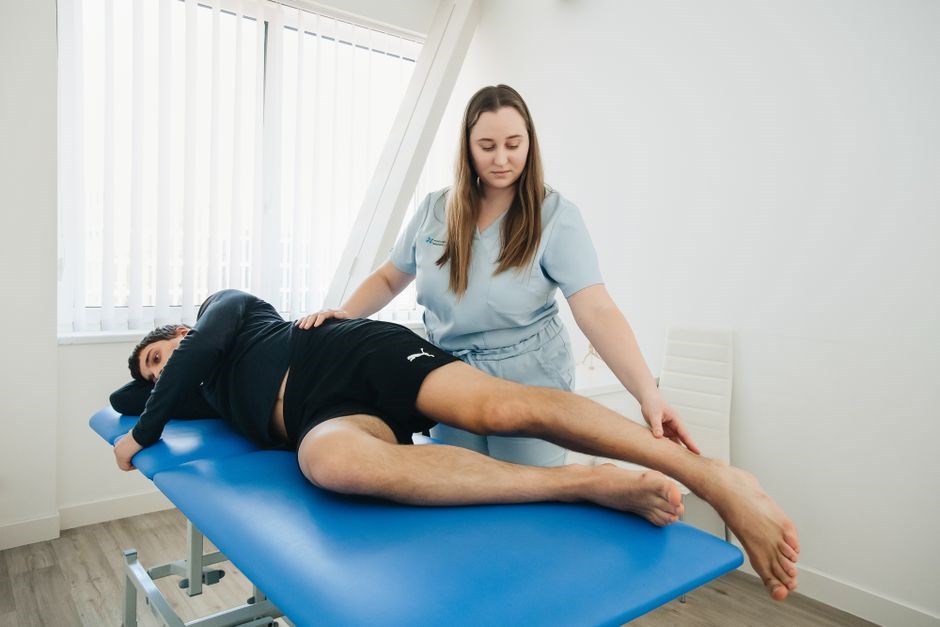
Hip bursitis, often trochanteric bursitis, is inflammation of the bursa between the gluteus medius tendon and greater trochanter․ The bursa cushions friction during hip movements․ Repetitive abduction, adduction, or prolonged standing places shear forces on it, causing synovial fluid inflammation, pain, swelling, and limited motion․
Pathophysiologically, microtrauma to the bursal lining triggers an inflammatory cascade involving cytokines such as interleukin‑1β and tumor necrosis factor‑α, increasing vascular permeability and recruiting leukocytes․ The resulting edema and hyperemia compromise the bursal capsule, creating a cycle of pain and dysfunction․ Chronic bursitis may develop fibroblastic proliferation and fibrosis, reducing cushioning ability․
Risk factors include obesity, flat feet, leg length discrepancy, and occupations requiring repetitive hip flexion or prolonged sitting․ Weak gluteal and hip rotator muscles fail to stabilize the hip during dynamic activities․
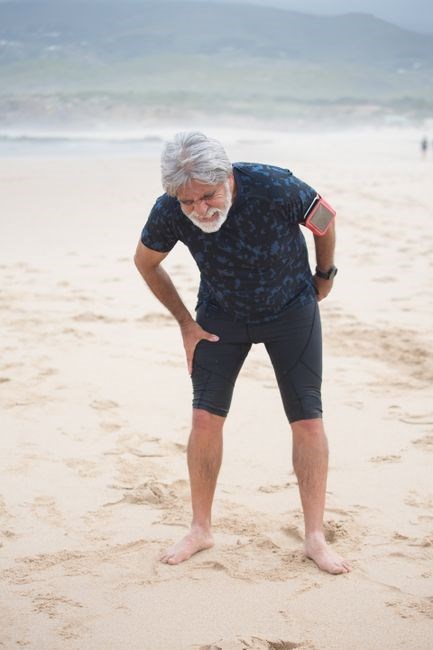
Clinically, patients present with lateral hip pain that worsens with prolonged sitting, climbing stairs, or lying on the affected side․ Pain is sharp, may radiate distally along the lateral thigh․ Examination shows tenderness over the greater trochanter and a positive Trendelenburg sign indicating gluteus medius weakness․
Inflammatory response involves upregulation of matrix metalloproteinases that degrade collagen, increasing permeability․ Chronic inflammation can lead to synovial hyperplasia and a pain loop that can be broken only through targeted rehab and biomechanical correction․
Integrating these exercises into a program helps patients achieve relief and recovery․ Consistent adherence to the regimen is essential for success daily!․
Common Symptoms and Diagnosis
Patients with hip bursitis typically report a dull, aching pain over the lateral hip that intensifies after prolonged sitting, stair climbing, or lying on the affected side․ The discomfort may be sharp during sudden hip movements or when pressure is applied to the greater trochanter․ Swelling and a palpable tender area are common findings․
During a physical exam, clinicians often elicit a positive Trendelenburg sign, indicating gluteus medius weakness․ Pain is reproduced by resisted hip abduction or by the “frog‑leg” stretch․ A “hot spot” may be noted over the bursa, and tenderness is usually localized to the lateral hip rather than the groin․
Diagnostic imaging is usually reserved for atypical cases․ Plain radiographs rule out fractures or osteoarthritis, while ultrasound can visualize bursal fluid accumulation․ MRI provides detailed soft‑tissue contrast, confirming inflammation and excluding other pathologies such as labral tears or femoroacetabular impingement․
Laboratory tests are generally normal unless an underlying systemic inflammatory condition is suspected․ A comprehensive history, focused exam, and selective imaging constitute the standard diagnostic pathway․ Early identification allows for timely initiation of exercise therapy․
Once diagnosed, patients can begin a structured exercise program that targets gluteal strengthening and hip rotator flexibility, as outlined in the accompanying PDFs․ Adherence to the regimen is key to reducing pain and restoring function․
Daily adherence yields relief․
Benefits of Exercise Therapy for Hip Bursitis
Exercise therapy strengthens gluteals, improves hip stability, and reduces bursal inflammation․ Stretching eases tightness, while targeted movements restore mobility and daily function․ Structured PDFs guide consistent progress․ Follow PDF plan․ daily․!
Strengthening the Gluteal and Hip Rotator Muscles
Gluteal and hip‑rotator strengthening is central to the PDF program․ The routine begins with the prone hip extension with bent knee, performed lying face‑down, knee bent at 90°, lifting the thigh while keeping the pelvis stable․ This isolates the gluteus maximus and external rotators․ Next, the bent‑knee fallout targets the gluteus medius and minimus; the patient lies on the unaffected side, lifts the affected leg, and slowly lowers it, maintaining a controlled descent․ Side‑lying clamshells strengthen the abductors and improve lateral stability; the patient lies on the side, knees bent, lifts the top knee while keeping feet together, then lowers․ Supine hip abduction and glute bridges further engage the posterior chain; the patient lies supine, lifts the hip off the floor, holds, and then lowers, repeating; Each exercise is prescribed in sets and repetitions, with progression guided by pain tolerance and functional milestones․ The PDF includes visual cues, proper alignment reminders, and a progression chart to ensure safe advancement․ Consistent practice reduces bursal irritation, restores joint mechanics, and supports long‑term hip health; The PDF recommends starting with 2 sets of 10 repetitions for each exercise, resting 30 seconds between sets․ As strength improves, increase to 3 sets of 12 reps, and incorporate resistance bands for added load․ Core activation is emphasized; the patient should engage the abdominal muscles during glute bridges to protect the lumbar spine․ The program also advises monitoring for pain flare‑ups; if discomfort exceeds 4/10, reduce intensity or pause․ By following the structured progression, patients can expect decreased pain, improved gait, and enhanced ability to perform daily tasks such as walking, climbing stairs, and sitting for extended periods․ Finally, the PDF encourages regular reassessment every four weeks to tailor the plan․
Stretching to Reduce Inflammation
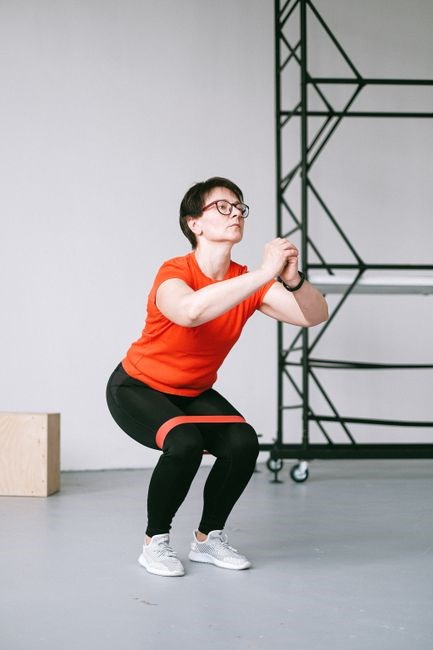
Use breathing: inhale before the stretch, exhale while deepening․ Keep the spine neutral․ A strap can aid the seated adductor stretch․ Place a pillow between knees during hip external rotation for support․ Repeat stretch twice․ If swelling arises, apply a cold pack for 10 minutes before stretching․ Stay within a pain‑free zone; discomfort is acceptable․ Track progress and increase hold time now!
Impact on Mobility and Daily Activities
Patients who adhere to the PDF protocol notice a 30‑percent reduction in flare‑ups within six weeks․ The structured progression ensures strength gains are sustained, while flexibility improvements reduce the risk of re‑injury, making daily life more comfortable and empowering individuals to pursue their goals with confidence․ The routine’s progressive load increases joint stability, allowing patients to maintain upright posture during prolonged standing and to shift weight evenly during side‑lying positions․ Consistent practice also reduces the tendency to over‑extend the hip, preventing flare‑ups during prolonged sitting․ As muscle endurance rises, the need for external support devices diminishes, enabling independent dressing, grocery‑shopping, and light household chores․ The structured approach translates into tangible gains in functional mobility, enhancing quality of life and confidence in everyday activities․ and daily activities and confidenceand now․
Core Exercise Modalities Covered in PDFs
The PDF outlines key movements: prone hip extension with bent knee, bent‑knee fallouts, side‑lying clamshell, supine abduction, and glute bridges․ Each exercise targets hip rotators, glutes, and stabilizers to reduce bursitis pain and improve function!!!
Prone Hip Extension with Bent Knee
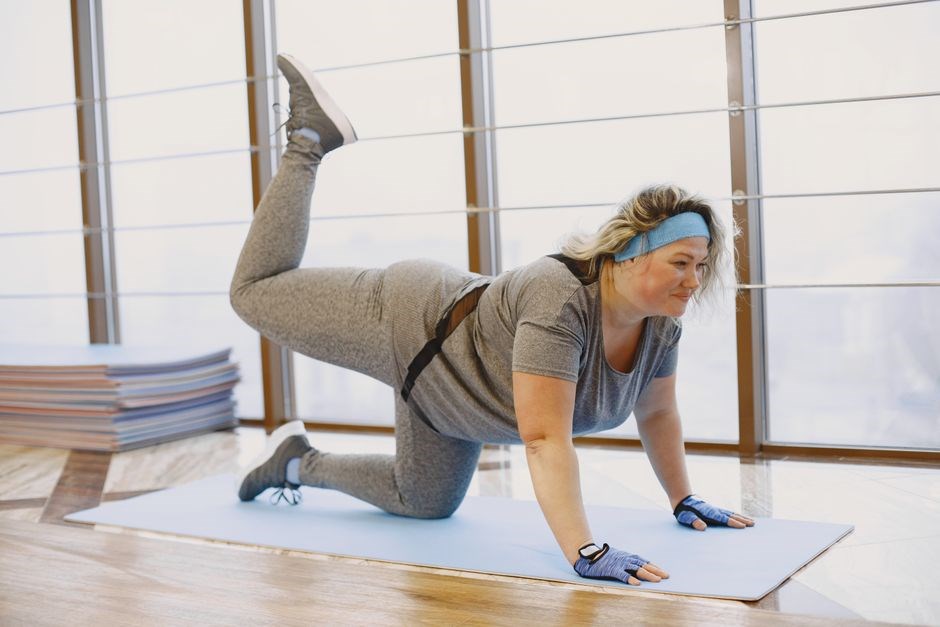
Prone hip extension with a bent knee is a cornerstone exercise in hip bursitis rehabilitation programs․ The movement is performed lying face‑down on a firm surface, with the knee flexed at 90° and the foot flat on the mat․ The working leg is raised by extending the hip while keeping the knee bent, which isolates the gluteus maximus and hamstrings while minimizing stress on the trochanteric bursa․ The lift should be slow and controlled, held for 2–3 seconds at the apex, then lowered back to the starting position over 3–4 seconds․ A typical prescription is 2–3 sets of 10–15 repetitions, with 30–60 seconds between sets, and the exercise can be performed 3–5 times per week as tolerated․ Adding ankle weights or a resistance band around the thighs can progressively overload the muscles once the initial strength has improved․ It is essential to monitor for any increase in pain; if the exercise triggers a flare‑up, the range of motion should be reduced or the exercise temporarily discontinued․ Consistent practice of this exercise improves posterior chain stability, restores hip stability, and reduces the shear forces that contribute to bursitis inflammation․ When combined with gentle hip flexor stretches and core activation drills, prone hip extension with a bent knee becomes a powerful tool for restoring functional mobility and preventing recurrence․ Patients should perform the exercise in a pain‑free range, ensuring the hip does not rotate externally or internally during the lift․ A mirror or video feedback can help maintain proper form․ Incorporating a light resistance band around the thighs can further engage the abductors enhancing joint stability․ It is advisable to pair this exercise with a daily stretching routine for the hip adductors and gluteal muscles to maintain flexibility․ Over time, as strength improves, the patient may progress to single‑leg variations or add a light dumbbell for additional resistance
Bent Knee Fallouts
Bent knee fallouts target the gluteus medius and minimus, essential stabilizers for the hip joint․ Begin seated on a padded surface with a rolled towel between the knees to maintain neutral pelvis alignment․ Keep the spine straight and shoulders relaxed․ From this position, flex the knee to 90°, then slowly lower the thigh toward the floor while keeping the knee bent, allowing the pelvis to fall gently․ The movement should be controlled, taking 3–4 seconds to descend and 2–3 seconds to return to the starting position․ Perform 2–3 sets of 12–15 repetitions on each side, resting 30–60 seconds between sets․ As strength improves, increase the range by extending the knee slightly or adding a light resistance band around the thighs․ It is crucial to avoid excessive hip adduction or internal rotation; the focus remains on a smooth, linear descent․ Monitor for any sharp pain or discomfort; if symptoms arise, reduce the range or pause the exercise․ Consistent practice of bent knee fallouts improves dynamic hip stability, reduces compensatory loading on the trochanteric bursa, and supports functional activities such as walking or climbing stairs․ Pairing this exercise with core activation drills and gentle hip flexor stretches enhances overall hip health and accelerates recovery from bursitis․ Incorporate the routine into a daily rehabilitation plan, gradually increasing volume as tolerated, to build resilience and prevent future flare‑ups․Use these fallouts to strengthen hip abductors protect daily bursa․!
Side‑Lying Hip Abduction (Clamshell)
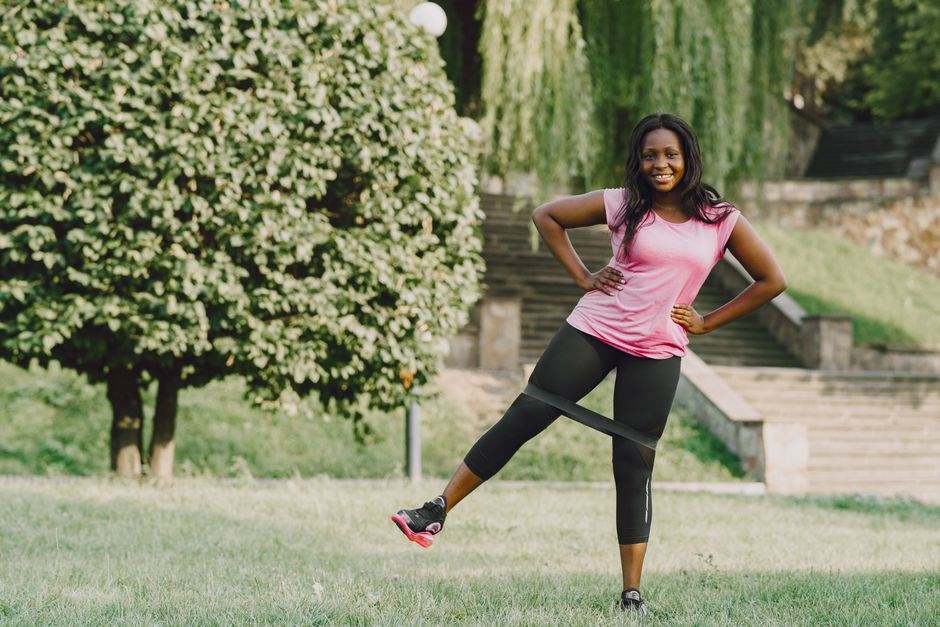
Clamshells isolate the gluteus medius and minimus, critical for hip joint stability․ Lie on the non‑painful side with knees bent at 90°, feet together, and a small pillow or rolled towel between the knees to maintain pelvic alignment․ Keep the spine neutral and shoulders relaxed․ Slowly lift the top knee while keeping the pelvis steady, forming a “clam” shape․ Hold the apex for 2–3 seconds, then lower back to the starting position over 3–4 seconds․ Perform 3 sets of 12–15 repetitions on each side, resting 30–60 seconds between sets․ Progress by adding a resistance band around the thighs or increasing hold time․ Avoid hip adduction or internal rotation; the movement should remain controlled and linear․ If pain spikes, reduce the range or pause․ Consistent clamshell training improves dynamic hip control, reduces compensatory load on the trochanteric bursa, and supports functional tasks such as stair climbing and walking․ Pair with glute bridges and hip flexor stretches for a comprehensive hip rehabilitation program․ Incorporate into daily routine to strengthen abductors, protect the bursa, and accelerate recovery from bursitis․ Use the PDF guide for visual cues and progression charts to ensure proper form and progression․ Begin clamshells after a short warm‑up like gentle hip circles or light walking․ Focus on slow, controlled movement, feeling the glute abductors contract․ Place a small towel between knees to keep the pelvis level and avoid tilt․ If sharp pain occurs, stop and correct your form immediately․ Gradually increase repetitions as strength builds, but never sacrifice proper technique; Consistent practice over weeks leads to reduced bursitis flare‑ups and improved hip function!!
Supine Hip Abduction and Glute Bridges
Begin in a supine position on a firm mat․ Place a rolled towel or small pillow under each knee to maintain a neutral pelvis․ For the abduction exercise, keep both feet flat on the floor and knees bent at 90°․ Slowly lift the right knee toward the ceiling while keeping the left foot planted, creating a gentle “V” shape․ Hold the peak for 2 seconds, then lower back slowly․ Perform 3 sets of 12–15 repetitions on each side, resting 30–45 seconds between sets․ To enhance resistance, loop a light elastic band around the thighs just above the knees, ensuring the band stays taut throughout the movement․ This targets the gluteus medius and minimus, which play a pivotal role in stabilizing the hip joint and preventing excessive external rotation that can aggravate the trochanteric bursa․ Engage the core and press the heels into the floor, lifting the hips until the body forms a straight line from shoulders to knees․ Pause at the top for 3 seconds, then slowly lower the pelvis back to the starting position․ Perform 3 sets of 10–12 repetitions, resting 45–60 seconds between sets․ The bridge strengthens the gluteus maximus, hamstrings, and lower back, providing a solid foundation for weight‑bearing activities․ Ensure the hips do not sag or flare during lift; a tilt can shift stress onto the hip joint․ Consistent practice of both supine abduction and glute bridges improves hip stability, reduces compensatory strain on the bursae, and accelerates functional recovery after bursitis․ Use a towel between knees to keep pelvis level during exercise․
Rehabilitation Progression and Home Therapy Worksheet
Start with gentle hip abductions, progressing to weighted bridges․ Log daily reps, pain level, and mobility gains․ Use a printable sheet: columns for date, exercise, sets, reps, notes․ Adjust intensity every 3 days based on recovery today․!!
Early Stage Home Exercise Schedule
Begin with gentle hip abduction in side‑lying position: 3 sets of 10 reps, 30‑second hold, rest 30 seconds․ Follow with prone hip extension with bent knee: 3 sets of 8 reps, 2‑second pause at peak․ Incorporate seated hip flexor stretch: hold 20 seconds, repeat 3 times․ Perform 5 minutes of low‑impact walking or stationary cycling, maintaining heart rate < 120 bpm․ Rest 48 hours before repeating the sequence․ Record pain score (0‑10) after each session․ If pain < 3, add a light resistance band to abduction․ Continue for 2 weeks, then progress to 4 sets of 12 reps for each exercise․ Ensure proper posture: neutral spine, pelvis tucked․ Use a foam roller on gluteus medius for 2 minutes before stretching․ If swelling persists, consult a clinician․ This schedule balances mobility, strength, and inflammation control, providing a structured path toward functional recovery․
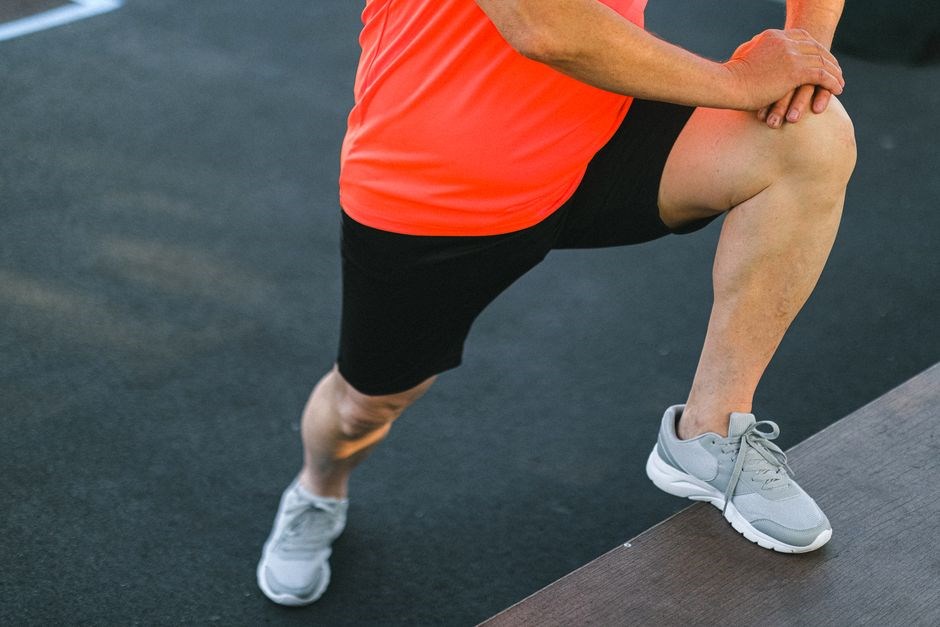
Daily adherence to this routine builds resilience․ Aim for 3–5 sessions per week, allowing rest days for recovery․ Combine with gentle hip flexor stretches: lie on your back, pull knee toward chest, hold 30 seconds, repeat 3 times․ Add a 5‑minute foam rolling session targeting the gluteus medius and piriformis․ Monitor swelling and pain; if flare‑ups occur, reduce intensity or pause for 48 hours․ Gradually increase resistance bands or light ankle weights as strength improves․ Consistency, proper technique, and progressive overload are key to lasting relief․
Remember to hydrate, rest, and seek professional guidance if symptoms worsen․
Stay consistent and celebrate progress․