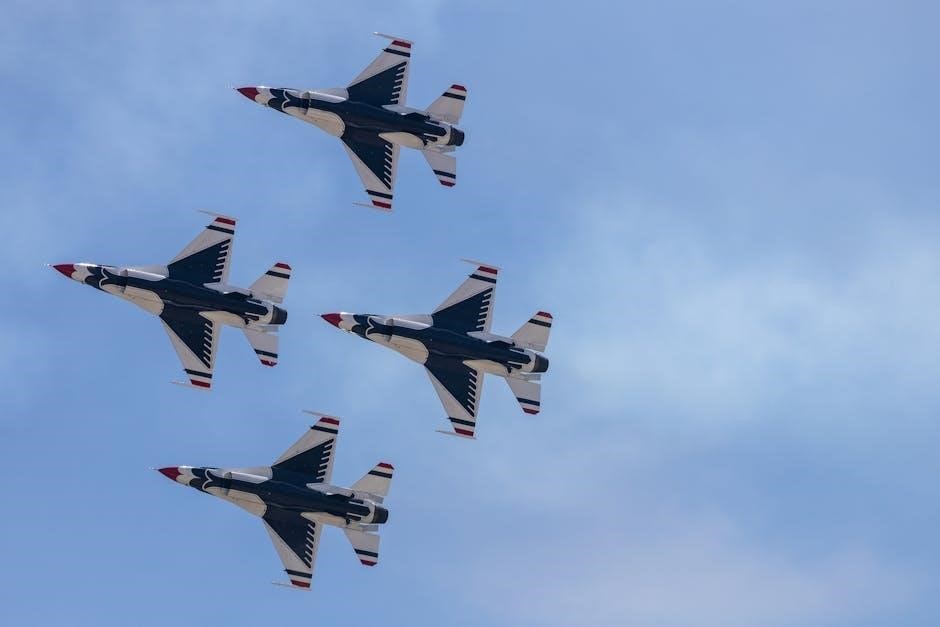
F-104 Flight Manual: A Comprehensive Overview
This manual details the Starfighter’s operation, spanning its history, variants, systems, and flight characteristics, acknowledging a challenging safety record and extensive global service.
The Lockheed F-104 Starfighter, a single-engine, supersonic interceptor aircraft, represents a pivotal era in aviation history. Conceived during the Cold War, its design prioritized speed and rate of climb over maneuverability, reflecting the evolving threat landscape of the 1950s. This manual serves as a comprehensive guide to understanding the intricacies of operating and maintaining this iconic aircraft.
Initially intended as a high-altitude interceptor, the F-104 quickly adapted to various roles, including fighter-bomber, reconnaissance, and trainer. Its lightweight construction and powerful engine enabled exceptional performance, but also contributed to a challenging flight profile demanding skilled pilots. Throughout its service with numerous nations, the Starfighter gained a reputation for both its capabilities and its demanding nature, resulting in a complex operational history.
This document aims to provide pilots, maintenance crews, and aviation enthusiasts with a detailed understanding of the F-104’s systems, procedures, and characteristics, acknowledging its legacy and the lessons learned from its extensive operational use.
Historical Context & Development
Born from a 1951 US Air Force competition for a lightweight interceptor, the F-104’s development was heavily influenced by the Korean War’s aerial combat lessons. Lockheed’s design, initially deemed unconventional, emphasized speed and climb rate to intercept Soviet bombers. The XF-104 prototype first flew in 1954, showcasing its radical features – a thin, clipped delta wing and a powerful engine.
Early designs faced challenges with stability and control, requiring extensive modifications. The aircraft’s evolution involved incorporating advanced avionics and improved engine performance. The F-104’s development wasn’t without controversy, facing scrutiny regarding its safety record and operational suitability. Despite these concerns, its unique capabilities led to widespread adoption by NATO and other allied nations.
The Starfighter’s journey reflects the rapid advancements in aerospace technology during the Cold War, and its legacy continues to shape modern fighter aircraft design principles.
F-104 Variants: A Detailed Breakdown
The F-104 Starfighter underwent numerous modifications resulting in a diverse range of variants tailored to specific operational needs. Initial production models, the F-104A and F-104B, served as the foundation for subsequent developments. The F-104C introduced an improved interceptor capability with enhanced radar and armament.
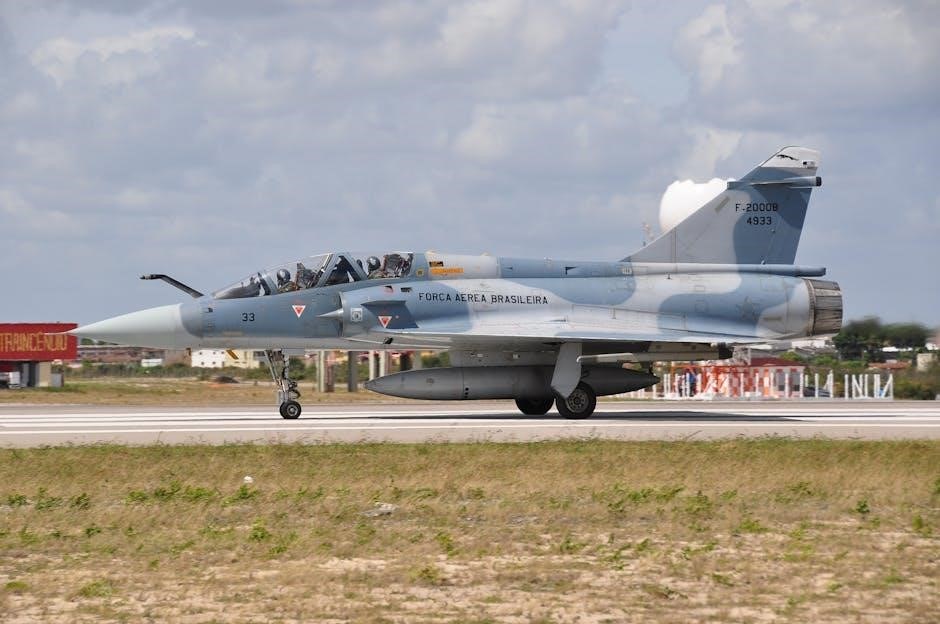
To facilitate pilot training, the two-seat F-104D variant was created, offering a valuable platform for instruction. European adaptations, like the F-104E and F-104F, incorporated locally sourced components and modifications. A pivotal role emerged with the F-104G, specifically designed for the Wild Weasel mission – suppressing enemy radar sites.
Finally, the F-104N represented an advanced interceptor configuration, boasting upgraded systems and improved performance characteristics, solidifying the Starfighter’s enduring legacy.
F-104A/B Initial Production Models
The F-104A, the first production variant, emerged in 1954, quickly followed by the F-104B, a two-seat trainer version crucial for transitioning pilots to the Starfighter’s unique handling characteristics. These early models were primarily designed as day-interceptors, tasked with defending against bomber formations. They featured a basic radar system and were armed with air-to-air missiles and internal cannon.
Despite their speed and agility, the F-104A/B models revealed certain limitations, notably in maneuverability at lower speeds and a relatively high landing speed. These factors contributed to the aircraft’s later reputation for being challenging to fly. Nevertheless, they established the core design principles that would define the Starfighter’s subsequent iterations.
F-104C Upgraded Interceptor
The F-104C represented a significant leap forward in the Starfighter’s capabilities, introduced in 1958 as an improved interceptor. Key enhancements included the addition of the AN/GP-G58 fire-control system, enabling more accurate targeting of aerial threats, and an upgraded radar system for improved detection range and tracking. This variant also featured strengthened wing structures to accommodate the increased stresses of high-speed maneuvers and weapons carriage.
The F-104C was designed to counter the emerging Soviet bomber threat, offering enhanced performance and lethality. While retaining the basic airframe of earlier models, the ‘C’ variant demonstrated the adaptability of the Starfighter platform. However, it still shared the inherent challenges of the design, demanding skilled pilots and rigorous training.
F-104D Two-Seat Trainer
The F-104D, introduced in 1958, served as the primary trainer variant for the Starfighter fleet, crucial for preparing pilots for the demanding characteristics of this high-performance aircraft. It featured a lengthened fuselage to accommodate a second crew member, the instructor, seated in front of the pilot. This configuration allowed for in-flight instruction and evaluation of pilot skills.
Despite its role as a trainer, the F-104D retained most of the operational capabilities of its single-seat counterparts, allowing instructors to demonstrate maneuvers and tactics realistically. However, the added weight and altered aerodynamics slightly impacted performance. The ‘D’ model played a vital role in mitigating the F-104’s notorious safety record through enhanced training protocols.
F-104E European Adaptation
Developed specifically for European air forces, the F-104E represented a significant adaptation of the Starfighter to meet NATO standardization requirements. Production occurred under license by various European companies, notably in Italy, Belgium, and the Netherlands. Key modifications included the integration of metric instrumentation, revised radio systems compatible with European frequencies, and enhanced ground support equipment provisions.
The ‘E’ model also featured strengthened landing gear to accommodate the often-rougher airfield conditions prevalent in Europe. These adaptations ensured seamless interoperability within the NATO alliance and facilitated easier maintenance and logistical support for the participating nations. The F-104E formed the backbone of many European air defenses during the Cold War.
F-104F Improved European Version
Building upon the F-104E, the ‘F’ model introduced further refinements tailored to European operational needs. A crucial upgrade was the installation of the AN/ASG-19 fire-control system, enhancing its intercept capabilities against evolving aerial threats. This system integrated a new radar and improved missile guidance, significantly boosting combat effectiveness. The F-104F also incorporated strengthened wing structures to handle the increased stresses associated with advanced weaponry.
Furthermore, the ‘F’ variant featured improved avionics and communication systems, ensuring better coordination with ground control and other aircraft. Licensed production continued across Europe, solidifying the F-104’s role as a primary interceptor for several decades. These enhancements made the F-104F a formidable and reliable asset for NATO’s air defense network.
F-104G Wild Weasel Role
The F-104G was uniquely adapted for the highly dangerous “Wild Weasel” mission – suppressing enemy surface-to-air missile (SAM) sites. This required substantial modifications, including the addition of specialized electronic countermeasures (ECM) equipment to locate and jam radar-guided missiles. Crucially, it carried the AGM-47 Griffin anti-radiation missile, designed to home in on enemy radar emissions.
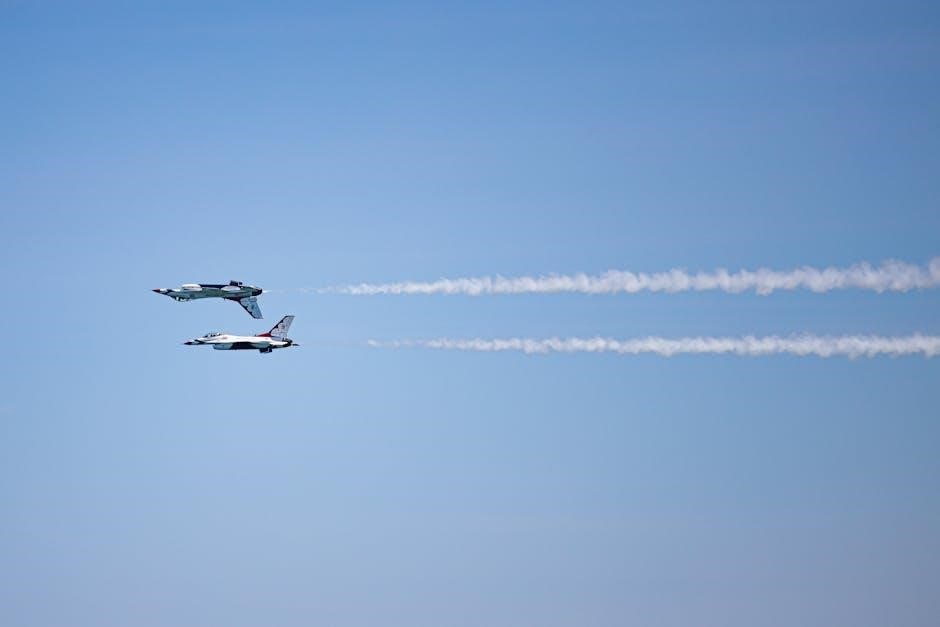
Two-seat configuration became standard for the ‘G’ model, providing a pilot and a dedicated Electronic Warfare Officer (EWO) to manage the complex ECM systems and identify SAM threats. This pairing was essential for successful suppression missions. The F-104G’s speed and maneuverability allowed it to quickly approach and neutralize SAM sites, significantly enhancing the survivability of strike packages. It proved vital during the Vietnam War.
F-104N Advanced Interceptor
The F-104N represented a significant upgrade to the Starfighter’s interceptor capabilities, primarily intended for Air Defense Command. It featured an improved AN/ASG-19 fire-control radar, offering enhanced detection range and tracking accuracy against incoming bomber threats. This radar was coupled with the AIM-4 Falcon air-to-air missile, providing a long-range interception capability.
Structural reinforcements were incorporated to handle the stresses of high-speed maneuvers and missile launches. The ‘N’ model also received an upgraded J58 engine, boosting thrust and performance. While retaining the F-104’s inherent speed, the F-104N focused on improving its ability to locate, identify, and engage enemy aircraft at extended ranges, making it a formidable Cold War defender.
F-104 Systems Overview
The F-104’s systems were a complex interplay of cutting-edge technology for its time, designed to maximize performance within a lightweight airframe. Central to its operation was the Pratt & Whitney J58-P-4A turbojet engine, providing exceptional thrust but demanding careful management. The flight control system, entirely manual, required precise pilot input, lacking the fly-by-wire assistance of later designs.
A robust hydraulic system powered control surfaces, brakes, and landing gear, while the electrical system distributed power throughout the aircraft. The fuel system, crucial for sustaining supersonic flight, featured internal tanks and optional external drop tanks. Understanding the intricate relationships between these systems was paramount for safe and effective F-104 operation.
Engine: J58-P-4A Turbojet
The Pratt & Whitney J58-P-4A was the heart of the F-104 Starfighter, a powerful afterburning turbojet delivering substantial thrust for its size. It featured a unique variable-geometry inlet, crucial for efficient operation across the aircraft’s wide speed range, from subsonic cruise to over Mach 2. Pilots needed to carefully monitor engine parameters, including exhaust gas temperature (EGT) and fuel flow, to prevent damage.
The afterburner, while boosting performance, significantly increased fuel consumption. Starting the J58 required a complex sequence, utilizing an auxiliary power unit (APU) and careful throttle control. Proper engine management was vital, as the J58 was known for its sensitivity and potential for instability if operated outside its prescribed limits.
Flight Control System
The F-104’s flight control system was remarkably simple, yet demanding for pilots. It employed a fully manual, cable-and-hydraulic system, lacking the fly-by-wire technology common in later aircraft. This meant pilots directly controlled surfaces via stick and rudder, requiring significant strength and precise inputs, especially at high speeds.
The Starfighter’s control sensitivity demanded constant attention. Small corrections were often needed to maintain stable flight. Longitudinal stability was limited, contributing to its reputation as a challenging aircraft to handle. Pilots had to master smooth, coordinated control inputs to avoid overstressing the airframe and maintain control during maneuvers.
Hydraulic System
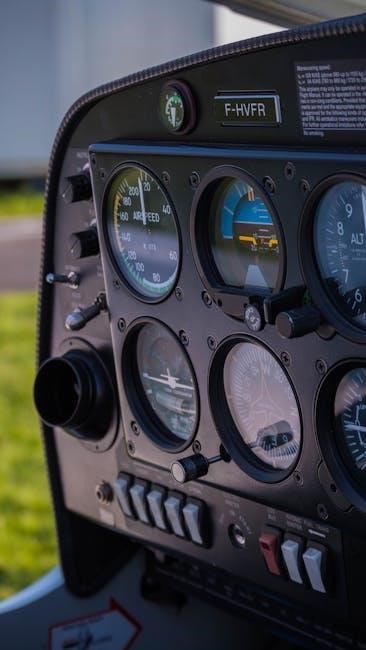
The F-104 Starfighter relied on a complex hydraulic system to actuate flight controls and various aircraft systems. This system operated at a high pressure of 3,000 psi, providing the necessary force for moving control surfaces like the stabilator, ailerons, and rudder. Two independent hydraulic systems, designated System 1 and System 2, ensured redundancy in case of failure.
Each system was powered by an engine-driven pump, with an auxiliary hand pump available for emergency operation on the ground. Hydraulic fluid reservoirs, pumps, filters, and actuators were strategically located throughout the aircraft. Maintaining proper hydraulic fluid levels and system integrity was crucial for safe flight operations, as any loss of hydraulic pressure could severely impact controllability.
Electrical System
The F-104’s electrical system was a 28-volt DC system designed to power a wide array of avionics, instruments, and aircraft services. A single engine-driven generator served as the primary power source, supplemented by a battery for starting and emergency power. The system incorporated multiple buses to distribute power efficiently throughout the aircraft, isolating critical systems in case of shorts or failures.
Circuit breakers and fuses provided overcurrent protection, safeguarding the electrical components. Careful monitoring of voltage and current levels was essential during flight. The electrical system powered crucial equipment like the radar, radio communication systems, navigation aids, and interior lighting, all vital for mission success and pilot situational awareness.
Fuel System
The F-104’s fuel system was meticulously engineered to support its high-speed, high-altitude performance. It comprised three integral fuel tanks – one in the fuselage and one in each wing – providing a total capacity of approximately 800 US gallons. Fuel was delivered to the J58 engine via a complex network of pumps, valves, and lines, managed by the pilot through a series of controls in the cockpit.
A critical feature was the automatic fuel transfer system, designed to maintain aircraft balance during maneuvers and prevent fuel starvation. Pilots needed to understand fuel consumption rates at various altitudes and speeds. Careful fuel management was paramount, especially during long-duration flights or when performing demanding aerial maneuvers, ensuring safe and reliable operation.
F-104 Flight Characteristics & Performance
The F-104 Starfighter possessed unique flight characteristics demanding precise pilot technique. Its thin wings and powerful engine delivered exceptional speed and climb rates, but also resulted in high landing speeds and a tendency for rapid acceleration. Pilots required extensive training to master its responsiveness and manage its inherent instability.
Takeoff and landing procedures were critical, demanding careful control inputs. Aerodynamic considerations included managing compressibility effects at high speeds and understanding the impact of angle of attack. Supersonic transition required a smooth and controlled application of power, while maintaining stability. Mastering these aspects was vital for safe and effective operation of this high-performance aircraft.
Takeoff and Landing Procedures
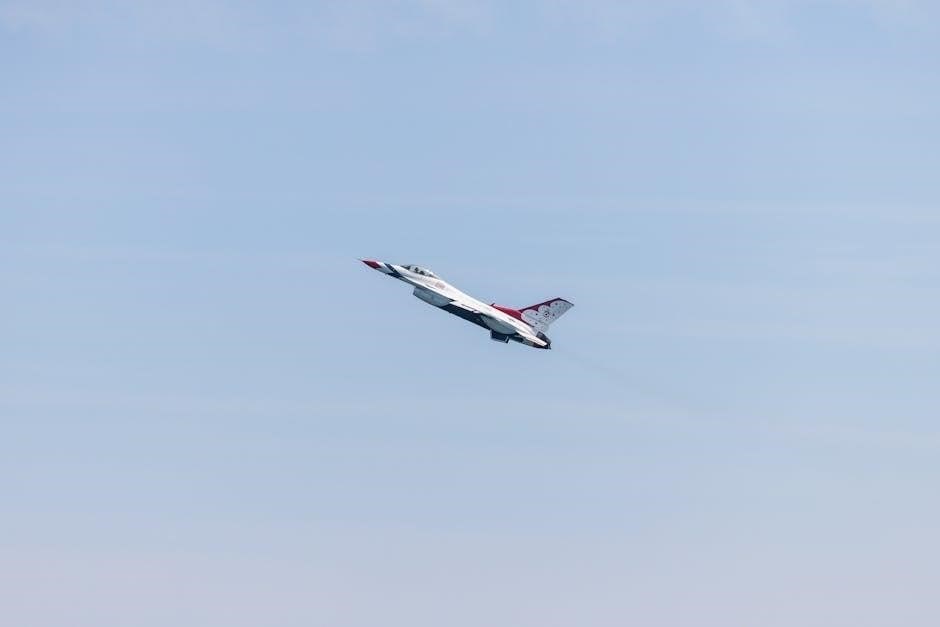
F-104 takeoff required precise execution, utilizing full afterburner for rapid acceleration. Pilots needed to maintain directional control with rudder inputs, counteracting the engine’s torque. Rotation speed was critical, demanding a smooth pull to achieve the optimal climb angle. Landing procedures were particularly challenging due to the aircraft’s high approach speed and limited low-speed handling characteristics.
Flaps were deployed to reduce speed, but careful management was essential to avoid instability. Pilots employed precise throttle control and braking techniques to achieve a safe touchdown. The short landing gear and tendency for nose-high attitudes demanded skillful handling. Mastering these procedures was paramount for successful and safe operation.
Aerodynamic Considerations
The F-104’s slender fuselage and clipped delta wings presented unique aerodynamic challenges. Its design prioritized high-speed performance, resulting in reduced low-speed stability. Pilots needed to understand the aircraft’s sensitivity to control inputs, particularly at transonic speeds. The wing’s lack of significant sweep meant compressibility effects were pronounced, demanding careful management of airspeed;
Pitch control was notably stiff, requiring substantial force. Yaw stability was also limited, necessitating constant rudder correction. The aircraft’s lightweight construction amplified these tendencies. Understanding these aerodynamic characteristics was crucial for maintaining control and preventing departures from controlled flight, especially during maneuvers.
High-Speed Flight & Supersonic Transition
Achieving supersonic flight in the F-104 demanded precise engine management and aerodynamic awareness. Transitioning through the sound barrier required a smooth and controlled application of throttle, avoiding abrupt movements. Pilots needed to anticipate the shift in drag and center of pressure as the aircraft accelerated.
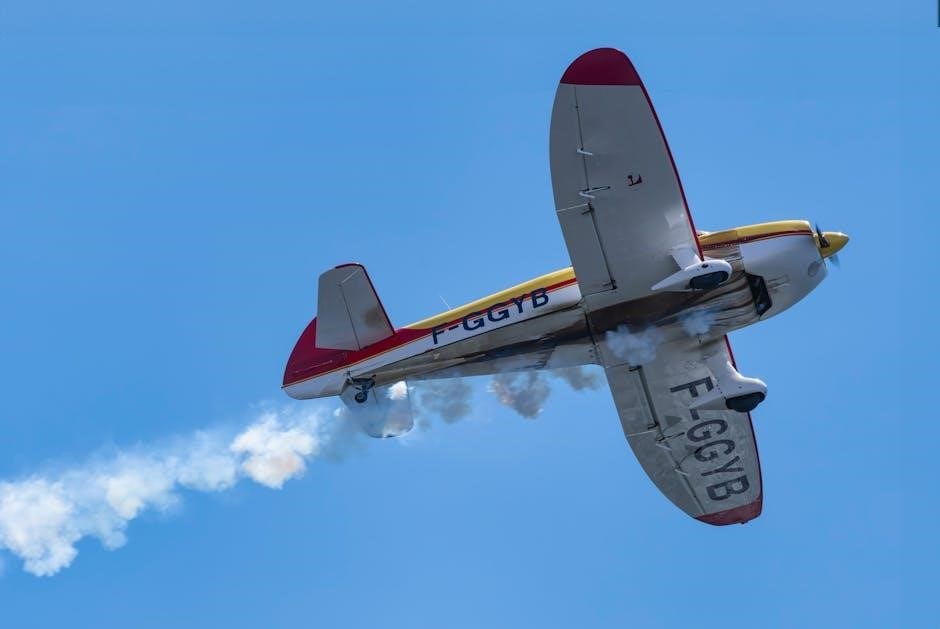
At supersonic speeds, the F-104 exhibited reduced maneuverability, and control inputs became less effective. Maintaining stability required careful trim adjustments and a firm grip on the controls. The aircraft’s slender design minimized wave drag, but also limited its ability to absorb turbulence. Pilots were trained to anticipate and counteract these effects, ensuring safe and efficient high-speed operation.
F-104 Safety Record & Common Issues
The F-104 Starfighter’s safety record was, unfortunately, significantly below average for its time. Its lightweight design, while contributing to performance, made it less forgiving of pilot error and mechanical failures. A high accident rate plagued the aircraft throughout its operational life, earning it nicknames like “Widowmaker” and “Zip-Lipped Killer.”
Common issues included control system rigidity, particularly during low-speed flight, and engine instability. The aircraft’s complex systems demanded rigorous maintenance, and failures in the hydraulic or electrical systems could have catastrophic consequences. Pilot training focused heavily on mitigating these risks, but the inherent challenges of the F-104 remained a constant concern.
Causes of Accidents & Incidents
Numerous factors contributed to the F-104’s high accident rate. Pilot error, often stemming from the aircraft’s demanding flight characteristics and rapid transition to supersonic speeds, was a significant cause. Control system issues, including stiffness and sensitivity, led to loss of control, particularly during landing approaches and low-altitude maneuvers.
Mechanical failures, particularly in the engine and hydraulic systems, also played a role. The J58 engine, while powerful, was prone to instability under certain conditions. Insufficient maintenance and inadequate inspection procedures exacerbated these problems. Additionally, the aircraft’s limited fuel capacity and range sometimes forced pilots to operate at the edge of their endurance, increasing risk.
Pilot Training & Mitigation Strategies
Addressing the F-104’s safety concerns demanded rigorous pilot training. Programs emphasized mastering the aircraft’s unique handling qualities, particularly its sensitivity to control inputs and the challenges of supersonic flight. Simulator training became crucial, allowing pilots to practice emergency procedures and recover from unusual attitudes in a safe environment.
Mitigation strategies included enhanced maintenance protocols, focusing on early detection of potential mechanical failures. Improved inspection procedures were implemented, and modifications were made to the flight control system to reduce stiffness and improve responsiveness. Standardized operating procedures were also developed to minimize pilot workload and reduce the risk of errors. Continuous evaluation of accident data informed ongoing improvements to training and maintenance.
F-104 Operational History & Notable Units
The F-104’s service history is remarkably diverse, spanning decades and multiple nations. Initially deployed by the US Air Force as a high-altitude interceptor, it quickly adapted to various roles, including ground attack and reconnaissance. Notable USAF units included those stationed in Europe during the Cold War, constantly on alert against Soviet threats.
European operators – Italy, Germany, Netherlands, and Belgium – extensively utilized the F-104, often adapting it to their specific needs. Italy operated the Starfighter until 2004, marking the longest continuous service by any nation. These air forces employed the F-104 in air defense, tactical strike, and training roles, contributing significantly to NATO’s collective security. The aircraft’s final operational chapter concluded at Grazzanise Air Base, Italy, in October 2004.
Service with the United States Air Force
The USAF initially deployed the F-104A and C models primarily for high-altitude interception, tasked with defending North American airspace against potential Soviet bomber threats. Units stationed in Europe, particularly during the height of the Cold War, maintained constant readiness, intercepting unidentified aircraft and participating in numerous exercises.
However, the F-104’s role evolved. It transitioned to a more versatile platform, undertaking tactical reconnaissance missions during the Vietnam War, despite its limitations in that environment. The aircraft’s speed and climb rate proved valuable, but its short range and limited payload presented challenges. Later, the F-104N variant served as an advanced interceptor, incorporating improved radar and weaponry. Despite a high accident rate, the F-104 remained a crucial component of the USAF’s air defense network for over two decades.
European Operators: Italy, Germany, Netherlands, Belgium
Several European nations embraced the F-104, becoming significant operators and adapting the aircraft to their specific needs. Italy, Germany, the Netherlands, and Belgium all fielded substantial numbers of Starfighters, often through co-production agreements with Lockheed. These nations utilized the F-104 for air defense, ground attack, and reconnaissance roles, integrating it into their respective air force doctrines.
Germany, in particular, operated a large fleet, facing challenges with its safety record. Italy maintained the F-104 in service the longest, finally retiring it in 2004. The Netherlands and Belgium also relied heavily on the Starfighter for decades, benefiting from its speed and agility. These European deployments showcased the F-104’s adaptability, despite its inherent risks, and solidified its place in Cold War aviation history.
F-104 in the Cold War Era
The F-104 Starfighter was a prominent symbol of the Cold War, serving as a key component of NATO’s air defense network. Designed during a period of intense geopolitical tension, it was intended to counter the threat of Soviet bomber aircraft. Its high speed and climb rate made it an effective interceptor, capable of quickly responding to potential incursions.
Throughout the Cold War, F-104s were stationed at air bases across Europe and the United States, maintaining a constant state of readiness. While its performance was impressive, the aircraft’s demanding flight characteristics and relatively high accident rate led to concerns. Nevertheless, the F-104 played a crucial role in deterring aggression and safeguarding Western airspace during a volatile era, representing a significant investment in aerial defense capabilities.
F-104 Flight Manual Resources & Availability
Accessing comprehensive F-104 documentation presents challenges, yet resources exist for enthusiasts and professionals. Official Lockheed documentation, including the original flight manuals, are highly sought after but can be difficult to locate, often residing in specialized aviation libraries or private collections. These manuals provide detailed insights into all aspects of the aircraft’s operation and maintenance.
Third-party manuals and guides offer alternative sources of information, compiled by aviation historians and experienced pilots. Online forums and aviation communities frequently share scanned copies or digital reproductions of these materials. While these resources may not possess the authority of official documentation, they can be valuable supplements for understanding the F-104’s intricacies and operational procedures, aiding in restoration or simulation efforts.
Official Lockheed Documentation
Lockheed’s original F-104 Starfighter documentation remains the gold standard for accurate operational information. These resources, created during the aircraft’s development and service life, encompass a wide range of materials, including detailed flight manuals, maintenance manuals, parts catalogs, and engineering drawings. Obtaining these documents can be a significant undertaking, as they are not readily available through public channels.
Historically, access was primarily limited to military personnel and authorized contractors. Today, surviving copies are often found within specialized aviation libraries, museum archives, and private collections. Digitization efforts are slowly increasing availability, but complete sets remain rare and valuable. These official manuals provide unparalleled insight into the aircraft’s systems, procedures, and limitations, representing the definitive source for F-104 expertise.
Third-Party Manuals & Guides
Beyond official Lockheed documentation, a variety of third-party manuals and guides cater to F-104 enthusiasts and restorers. These resources often compile information from multiple sources, including original manuals, pilot notes, and anecdotal accounts from former Starfighter aircrew. While generally less comprehensive than the official documentation, they can offer valuable supplementary information and a more accessible format for certain topics.
Several aviation publishers specialize in producing detailed aircraft manuals, and some have dedicated volumes to the F-104. Online forums and communities also host user-created guides and checklists. It’s crucial to critically evaluate the accuracy of third-party materials, cross-referencing information with official sources whenever possible. These guides can be excellent starting points, but should not replace the authoritative data found in Lockheed’s original publications.