Real estate wholesaling offers a fantastic entry point for beginners, requiring minimal capital and experience to begin building wealth through property transactions.
This guide provides a step-by-step walkthrough, detailing what wholesaling entails and empowering you to close your first deal immediately, starting today!

Wholesalers act as intermediaries, securing discounted properties and connecting them with investors – a crucial role in the real estate market nationwide.
Understanding the benefits and integrating wholesaling into your broader real estate plan is key to long-term success and financial freedom.
What is Real Estate Wholesaling?
Real estate wholesaling is a strategy where an investor – the wholesaler – contracts a property with a seller, then assigns that contract to an end buyer, typically another investor, for a fee.
Essentially, you’re controlling the property under contract without actually owning it. The wholesaler doesn’t rehabilitate the property or take on the financial risk of ownership; they simply facilitate the transaction.
This makes it an attractive option for beginners as it requires very little capital. You don’t need credit to get started, and you avoid the costs associated with traditional property investment like repairs and holding costs.
The core of wholesaling lies in finding motivated sellers – those eager to sell quickly, often at a discount. This requires diligent lead generation and networking, identifying properties below market value.
Once a property is under contract, the wholesaler then markets it to their network of cash buyers, securing a quick assignment fee upon the sale of the contract. It’s a fast-paced, potentially lucrative strategy for those willing to put in the work.
Benefits of Wholesaling for Beginners
Wholesaling real estate presents numerous advantages, particularly for those new to the investment world. The most significant benefit is the low capital requirement; unlike flipping, you don’t need funds for property purchase or renovations.

This drastically reduces financial risk, allowing beginners to learn the ropes without substantial investment. It’s a fantastic way to gain market knowledge, understand contracts, and build a network of buyers and sellers.
Furthermore, wholesaling offers a quick turnaround. Deals can often be completed within weeks, generating fast profits compared to longer-term investment strategies.
The flexibility of wholesaling is also appealing. It can be done part-time, allowing individuals to maintain their current employment while building a real estate business.
Finally, it’s a valuable stepping stone to other investment strategies, providing a foundation for future success in the real estate market and wealth creation.

Wholesaling vs. Other Real Estate Investment Strategies
Compared to traditional real estate investing, wholesaling distinguishes itself through its speed and minimal risk. Unlike flipping, which requires capital for purchase and renovation, wholesaling focuses on contract assignment.
Rental properties demand ongoing management and tenant relations, while wholesaling involves a single transaction. Fix-and-flips necessitate construction expertise and project management skills, areas where wholesalers don’t directly engage.
While buy-and-hold strategies build long-term equity, wholesaling generates immediate cash flow. Many investors utilize multiple strategies, incorporating wholesaling to quickly capitalize on opportunities.
Wholesaling serves as an excellent entry point, allowing investors to learn the market before committing significant capital. It’s a complementary strategy, fitting seamlessly into a broader real estate wealth-building plan.
Ultimately, the best strategy depends on individual goals, risk tolerance, and available resources, but wholesaling offers a unique path to profitability.

Legal Considerations & Due Diligence
Real estate transactions require careful attention to legal aspects; state laws vary significantly, necessitating expert legal counsel for compliance and protection.
Thorough due diligence, including contract review and disclosure adherence, is paramount to avoid future legal complications and ensure ethical wholesaling practices.
Understanding Real Estate Contracts
Real estate contracts are the cornerstone of any successful wholesale deal, demanding meticulous attention to detail and a firm grasp of legal terminology. As a wholesaler, you’ll be utilizing purchase agreements to secure properties from motivated sellers, and subsequently, assigning those contracts to cash buyers.
It’s crucial to understand all clauses, contingencies, and timelines within the contract. Pay close attention to the earnest money deposit, inspection periods, and financing stipulations – even if you aren’t personally obtaining financing. A well-crafted purchase agreement protects your interests and minimizes potential legal disputes.
Specifically, ensure the contract is assignable, allowing you to transfer your rights to another buyer. Familiarize yourself with common contract addendums and disclosures required in your state. Seeking guidance from a real estate attorney is highly recommended, especially when navigating unfamiliar contract language or complex situations. A solid understanding of contracts is fundamental to mitigating risk and maximizing profitability in wholesaling.
Disclosure Requirements in Wholesaling
Disclosure requirements in real estate wholesaling vary significantly by state and locality, making thorough research absolutely essential. While wholesalers often act quickly, transparency is paramount to avoid legal complications. Generally, you must disclose your role as a wholesaler and your intent to assign the contract to another buyer.
Failing to disclose your position could be construed as acting as an unlicensed real estate agent, leading to fines and legal action. Certain states mandate specific disclosures regarding the property’s condition, known defects, or previous issues. Always prioritize honesty and full transparency with both the seller and potential buyers.
Consulting with a local real estate attorney is crucial to ensure compliance with all applicable laws and regulations. They can provide tailored advice based on your specific market and transaction details. Proper disclosure builds trust and safeguards your business from potential liabilities, fostering long-term success.
Importance of Legal Counsel
Engaging legal counsel specializing in real estate is not merely advisable, but fundamentally crucial for successful and compliant wholesaling. Laws governing real estate transactions are complex and vary dramatically from state to state, necessitating expert guidance. An attorney can review your contracts, ensuring they protect your interests and adhere to local regulations.
They can also advise on proper disclosure requirements, avoiding potential legal pitfalls associated with misrepresentation or unlicensed activity. Furthermore, a lawyer can assist in navigating potential disputes with sellers or buyers, offering invaluable support during negotiations and potential litigation.
Remember, the principles of real estate investing aren’t universally guaranteed to be legal in every jurisdiction. A qualified attorney provides peace of mind, mitigates risk, and ensures your wholesaling business operates within the bounds of the law, paving the way for sustainable growth.

Finding Motivated Sellers
Locating motivated sellers is paramount; explore strategies like “Driving for Dollars,” targeted online advertisements, and cultivating relationships with real estate agents.
Utilizing public records to uncover potential property leads is also a highly effective method for sourcing discounted investment opportunities.

Lead Generation Strategies (Driving for Dollars, Online Ads)
Driving for Dollars involves physically searching for distressed properties – those appearing vacant, neglected, or in clear need of repair. This proactive approach requires dedication, but often yields highly motivated sellers eager to offload challenging properties quickly.
Complementing this, online advertising offers a scalable solution. Platforms like Facebook and Google Ads allow targeted campaigns reaching homeowners facing financial hardship or life transitions. Craft compelling ad copy highlighting quick, cash offers and a hassle-free selling process.
Effective online ads should focus on solving the seller’s problem, not just promoting your services. Consider ads addressing probate, pre-foreclosure, or simply the desire to avoid lengthy traditional sales. Consistent testing and optimization are crucial for maximizing return on investment. Remember to comply with all advertising regulations and disclose your intent as a potential buyer.
Combining both “Driving for Dollars” and strategic online advertising creates a robust lead generation system, increasing your chances of finding profitable wholesale deals.
Networking with Real Estate Agents
Building strong relationships with real estate agents is paramount for consistent deal flow in wholesaling. Agents frequently encounter motivated sellers – those facing relocation, divorce, or financial difficulties – before listings hit the market.
Position yourself as a problem solver for agents. Offer quick, cash purchases, bypassing traditional financing hurdles and closing timelines. Clearly communicate your wholesale process and the benefits of working with you, such as guaranteed commissions and reduced marketing expenses for them.
Attend local real estate events, join industry associations, and proactively reach out to agents in your target areas. Consistent communication and genuine relationship-building are key. Offer value beyond just potential purchases; share market insights and be a reliable resource.
Remember, agents are gatekeepers to off-market deals. Cultivating these relationships unlocks access to opportunities unavailable through conventional methods, significantly boosting your wholesale success.
Utilizing Public Records for Property Leads
Public records are a goldmine for uncovering potential wholesale deals; County assessor websites, probate records, and tax delinquency lists reveal properties facing financial distress or ownership transitions – ideal scenarios for motivated sellers.
Focus on identifying properties with indicators like high equity, long-term ownership, or recent life events impacting the owner (e.g., probate filings). These suggest potential willingness to sell quickly and below market value.
Data mining requires consistent effort. Regularly scan records, build targeted lists, and verify information through additional research. Tools and services can automate this process, but manual review is crucial for accuracy.
Combine public record data with skip tracing to locate owner contact information. Direct mail and phone calls are then used to initiate conversations and assess seller motivation. This proactive approach uncovers hidden opportunities often missed by competitors.
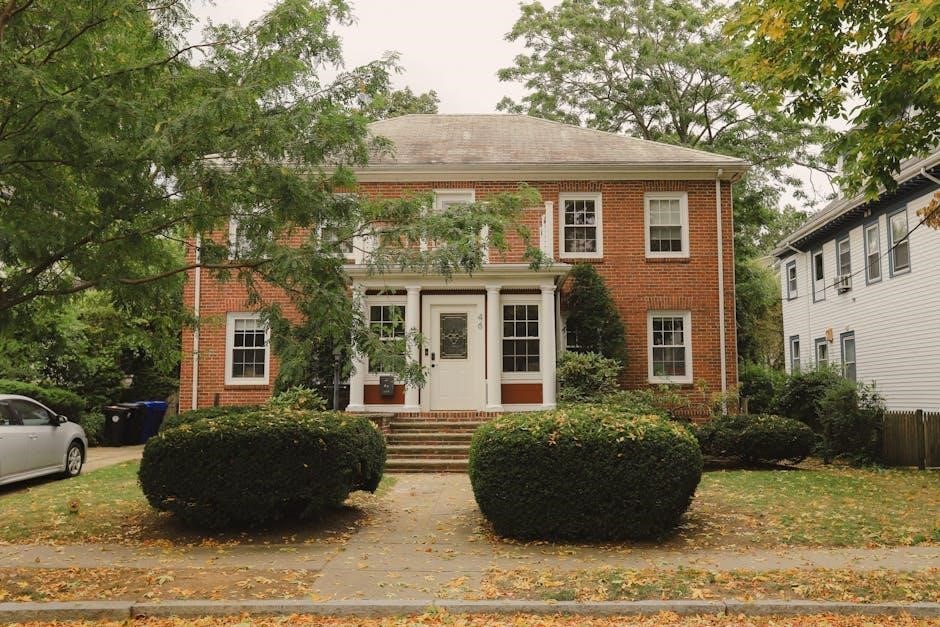
Analyzing Properties & Determining ARV
Accurately calculating After Repair Value (ARV) and repair costs is vital for profitable wholesaling; it dictates your Maximum Allowable Offer (MAO).
Thorough property analysis ensures you secure deals with sufficient margins for both yourself and your investor buyers.
Calculating After Repair Value (ARV)
Determining the After Repair Value (ARV) is arguably the most critical step in successful real estate wholesaling. It represents the estimated market value of the property after all necessary renovations are completed. Accurate ARV calculation directly impacts your potential profit margin and dictates the maximum price you can offer a seller.
Begin by identifying comparable properties – “comps” – that have recently sold in the same neighborhood. These should be similar in size, age, condition (post-renovation), and features. Focus on properties sold within the last 3-6 months for the most relevant data. Adjust the comp prices based on differences; for example, a property with an extra bedroom warrants an upward adjustment.
Online resources and real estate agents can assist in finding comps. Average the adjusted sale prices of 3-5 comparable properties to arrive at a reliable ARV estimate. Remember, a conservative ARV is preferable to an overly optimistic one, protecting you from potential losses.
Estimating Repair Costs
Accurately estimating repair costs is paramount in real estate wholesaling; underestimation can quickly erode profits. A thorough property inspection is the first step, identifying all necessary repairs – from cosmetic updates to structural issues. Be detailed; don’t overlook seemingly minor items.
Obtain multiple quotes from qualified contractors for each repair category (roofing, plumbing, electrical, etc.). Don’t rely on a single bid. Factor in a contingency buffer – typically 10-20% – to account for unforeseen problems that often arise during renovations.
Consider material costs, labor rates, and permit fees. If you’re unfamiliar with construction, partner with a knowledgeable professional who can provide accurate estimates. Remember to differentiate between essential repairs (safety, structural integrity) and cosmetic upgrades (paint, flooring). Prioritize the former.
Determining the Maximum Allowable Offer (MAO)
Calculating the Maximum Allowable Offer (MAO) is crucial for profitable wholesaling. It ensures you secure a property at a price that allows for both a buyer’s profit and your assignment fee. Start with the After Repair Value (ARV) – the property’s estimated value after renovations.
Next, subtract the estimated repair costs. Then, deduct the desired profit margin for your end buyer (typically 10-20% of the ARV). Finally, subtract your wholesale fee – the amount you’ll earn for assigning the contract. This final number is your MAO.
A common formula is: MAO = ARV x (1 ― Buyer’s Profit Margin) x (1 ⏤ Your Wholesale Fee). Always be conservative with ARV estimates and repair costs to protect your profit. Never overpay for a property!

Making Offers & Securing Contracts
Crafting effective purchase agreements and mastering negotiation techniques are vital for success in wholesaling, building strong rapport with sellers is key.
Secure contracts swiftly, ensuring mutually beneficial terms for all parties involved in the real estate transaction process.
Crafting Effective Purchase Agreements
Purchase agreements are the cornerstone of any successful wholesale deal, demanding meticulous attention to detail. A well-crafted contract protects your interests and clearly outlines the terms of the transaction, minimizing potential disputes.
Essential elements include a precise property description, the agreed-upon purchase price, earnest money deposit details, and a clearly defined closing date. Crucially, include an “As-Is” clause to protect yourself from unforeseen repair obligations.
Always incorporate a clause allowing for assignment of the contract – this is fundamental to the wholesaling model, enabling you to assign your rights to an end buyer. Specify any contingencies, such as inspection periods, and clearly define the responsibilities of both buyer and seller.
Remember, a legally sound agreement is paramount; consulting with a real estate attorney to review your standard contract template is highly recommended, ensuring compliance with local laws and regulations. A robust contract builds trust and facilitates smooth transactions.
Negotiation Techniques for Wholesaling
Successful wholesaling hinges on effective negotiation skills. Building rapport with sellers is paramount; approach each interaction with empathy and a genuine desire to understand their situation. Active listening allows you to uncover their motivations and pain points, creating opportunities for mutually beneficial agreements.
Present your offer confidently, justifying it with comparable market data and a transparent explanation of your investment strategy. Be prepared to walk away if the seller is unwilling to negotiate reasonably – knowing your Maximum Allowable Offer (MAO) is crucial.
Focus on solving the seller’s problem, whether it’s a quick closing, avoiding repairs, or simply relieving financial burden. Frame your offer as a win-win solution, highlighting the benefits for both parties; Don’t be afraid to counteroffer strategically, always maintaining a professional and respectful demeanor.

Remember, negotiation isn’t about winning; it’s about reaching an agreement that allows you to complete a profitable wholesale transaction.
Building Rapport with Sellers
Establishing genuine rapport with sellers is foundational to successful wholesaling. Remember, they’re often facing challenging circumstances, making empathy and understanding crucial. Approach each conversation with a sincere desire to help, not just to profit.
Active listening is key – truly hear their concerns and motivations. Ask open-ended questions to encourage them to share their story, revealing valuable insights into their needs. Mirroring their communication style can subtly build trust and connection.
Be transparent about your role as a wholesaler and your process. Honesty fosters credibility and demonstrates respect. Avoid high-pressure tactics; instead, position yourself as a problem-solver offering a convenient and efficient solution.
A positive attitude and genuine interest in their well-being will go a long way in building a strong relationship, increasing the likelihood of a favorable negotiation.