Phonak hearing aids supplied through the NHS combine advanced digital technology with user‑friendly features. They support Bluetooth connectivity, customizable gain settings, and battery‑saving modes; The NHS guidance outlines eligibility, fitting, and maintenance steps for optimal hearing restoration.!

NHS Hearing Aid Eligibility and Application Process
To qualify for a Phonak hearing aid through the NHS, you must first have a formal hearing assessment conducted by an accredited audiologist. The assessment confirms that your hearing loss is moderate to severe and that conventional hearing aids are unlikely to restore adequate hearing. You also need a referral from your GP or a hearing‑health professional, which is usually issued after a discussion of your symptoms and a basic hearing test. Once the referral is in place, the NHS hearing‑aid service will schedule a comprehensive audiological evaluation. This evaluation includes pure‑tone audiometry, speech‑in‑noise tests, and a fit‑in‑clinic trial of a suitable hearing‑aid model. If the results meet the NHS criteria, you will receive a formal offer of a Phonak model that meets your hearing‑aid prescription. The offer is issued by the local NHS hearing‑aid provider and includes a fitting appointment with a hearing‑aid technician. During the fitting, the technician will program the Phonak device to your audiogram, ensuring optimal gain and frequency response. After fitting, you will be given a follow‑up plan that may involve periodic reviews to adjust the device as your hearing changes. The entire process is free of charge, but you may experience a waiting period of several weeks to a few months, depending on local demand and resource availability. For more information, contact your GP or the NHS hearing‑aid service in your area. Contact your NHS hearing‑aid centre for help!!! Ask your audiologist for fitting tips daily!

Phonak Hearing Aid Models Available Through NHS
Through the NHS, patients can access a curated selection of Phonak hearing‑aid models that balance performance, comfort, and cost. The most common models offered include the Phonak Audeo B, a behind‑the‑ear (BTE) design that delivers powerful amplification and wireless connectivity; the Phonak Marvel, a discreet in‑the‑ear (ITE) option with advanced noise‑reduction algorithms; and the Phonak Baha, a bone‑anchored system for patients with conductive or mixed hearing loss. Each device is equipped with the latest Phonak iQ technology, allowing real‑time adjustment of gain, frequency response, and directional microphones. The NHS supply chain prioritises models with long‑lasting zinc‑air batteries and optional rechargeable units to minimise maintenance. In addition, the NHS offers the Phonak Livio Edge, a premium BTE model that integrates a health‑monitoring sensor for fall detection and activity tracking. All models are available in a range of colours and finishes to suit individual style preferences. NHS audiologists will match the chosen model to the patient’s audiogram, lifestyle, and hearing‑aid usage patterns, ensuring a personalised fit that maximises benefit. For more details, contact your local NHS hearing‑aid centre or visit the official Phonak website. The NHS hearing‑aid service is committed to providing high‑quality, evidence‑based solutions that improve communication and quality of life for patients across the UK. Patients will receive annual follow‑ups to fine‑tune settings, ensuring long‑term performance and hearing quality.!


Fitting and Adjustment Instructions
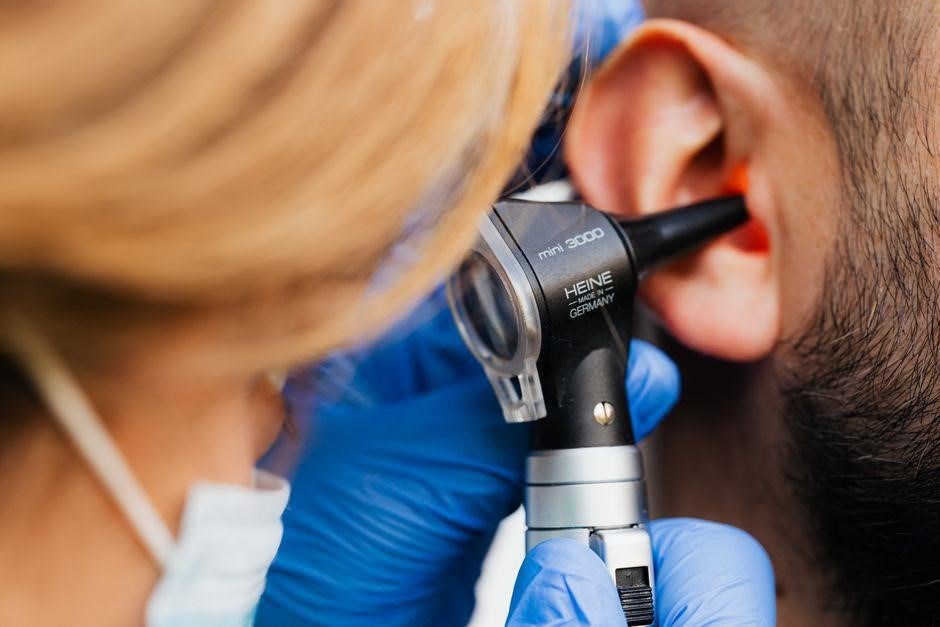
After a thorough audiometric assessment, the NHS audiologist selects the most suitable Phonak model and begins the fitting process. The hearing aid is first inserted into the earmold or fitted behind the ear, depending on the chosen design. The device is then calibrated using a real‑time audiometer, which adjusts gain and frequency response to match the patient’s hearing loss profile. The audiologist performs a real‑world listening test, asking the patient to rate clarity and comfort while listening to speech and ambient sounds. Adjustments are made in small increments, and the patient’s feedback is recorded to fine‑tune the settings. Once the initial fit is satisfactory, the patient is instructed on how to use the myPhonak app to make on‑the‑spot changes, such as balancing the left‑right output or selecting preset programs for different environments. The audiologist schedules a follow‑up visit within 2–4 weeks to review the patient’s experience, verify the accuracy of the settings, and make any necessary adjustments. This iterative process ensures that the hearing aid delivers optimal performance, comfort, and user confidence over time. Patients are encouraged to keep a log of daily usage and any issues, which can be discussed during the follow‑up appointment. The NHS provides ongoing support through the local hearing‑aid clinic, ensuring that any technical or comfort concerns are addressed promptly. By following these fitting and adjustment steps, patients can maximize the benefits of their Phonak hearing aids and improve overall communication quality. Additionally, patients should be aware of the importance of regular battery checks, as zinc‑air batteries require periodic replacement every 3–4 months. The audiologist will demonstrate how to safely remove and insert new batteries, ensuring the device remains fully powered. For patients with custom earmolds, the clinic offers a fitting adjustment service to fine‑tune the fit for maximum comfort and sound quality. Finally, the NHS provides educational materials and a helpline for troubleshooting common issues such as connectivity glitches or feedback problems. This comprehensive support framework helps patients maintain optimal hearing aid performance throughout their treatment journey. During the fitting session, the audiologist will also assess the patient’s ear canal anatomy using a video otoscope, ensuring that the earmold or BTE cup sits securely without causing irritation. The hearing aid’s directional microphone settings are tuned to enhance speech in noisy environments, and the user is shown how to switch between preset modes (e.g., “phone,” “music,” “quiet”) via the myPhonak app. The clinic’s follow‑up protocol includes a standardized questionnaire that captures subjective hearing satisfaction, device comfort, and any adverse sensations. This data informs the audiologist’s decision to adjust amplification curves or to recommend a different Phonak model if necessary. By integrating these detailed fitting and adjustment steps, the NHS ensures that each patient receives a personalized, evidence‑based solution that enhances daily communication and overall quality of life.

Using the myPhonak App for Bluetooth Audio Management
The myPhonak app connects your phone to the hearing aid via Bluetooth, allowing you to stream music, podcasts, and phone calls directly. Once paired, you can adjust volume, balance, and choose preset programs for different listening scenarios. The app saves these settings for quick access. Try it now!!!??
Connecting to the Hearing Aid
Open the myPhonak app on your smartphone and confirm that Bluetooth is enabled. Tap the “Add Device” button; the app will begin scanning for nearby Phonak hearing aids. When the aid appears in the list, tap its name to initiate pairing. A short on‑screen prompt will guide you through the process, and once the connection is successful, a confirmation banner will appear indicating that the hearing aid is ready for use.

If the hearing aid does not show up, ensure it is powered on and in pairing mode. To activate pairing, press and hold the reset button on the hearing aid for about three seconds until the indicator light flashes. Then return to the app and retry the scan. Once paired, the app will display the battery level, firmware version, and current listening program.
After a successful link, you can stream music, podcasts, phone calls, and TV audio directly to the hearing aid. The app allows you to adjust volume, balance, and select preset programs such as “Music,” “Speech,” or “Television.” These settings are saved automatically, so you can switch between programs with a single tap.
To maintain a stable connection, keep your phone within a 10‑meter range of the hearing aid and avoid large metal objects that can interfere with Bluetooth signals. If you experience drops or latency, try restarting the app, disabling and re‑enabling Bluetooth, or resetting the hearing aid again. For persistent issues, contact your audiologist or the Phonak support team for further assistance.
By following these steps, you can quickly establish a reliable Bluetooth link between your smartphone and the Phonak hearing aid, ensuring a smooth and enjoyable listening experience across all audio sources.
Remember that the myPhonak app also offers a “Quick Connect” feature, which automatically reconnects the hearing aid when you return to the app after a disconnection. This feature uses the device’s last known pairing information, eliminating the need to repeat the pairing steps each time. Additionally, the app’s “Diagnostics” section provides real‑time data on signal strength and battery health, allowing you to monitor performance and plan for battery replacements proactively.
Finally, keep the app updated to the latest version available on your app store, as updates often include bug fixes and improvements that enhance connectivity stability and user experience.
Adjusting Audio Settings for Music and TV
When you stream music or watch television, the myPhonak app lets you fine‑tune the hearing aid’s gain and balance for each source. First, select the “Music” or “Television” preset from the program list. The app will automatically apply a balanced frequency response that highlights mid‑range clarity while preserving bass and treble. If you prefer a more natural sound, tap the “Custom” option and slide the gain bar to the right until the volume feels comfortable in both ears.
For music, you can also enable the “Bass Boost” toggle, which adds a subtle low‑frequency lift without distorting the overall mix. Television audio often contains rapid dialogue changes; use the “Speech Enhancement” toggle to increase the mid‑range and reduce background noise. The app’s real‑time visual meter shows the output level, helping you avoid clipping or distortion.
After adjusting the sliders, press “Save” to store the profile. The hearing aid will remember the setting and apply it automatically whenever you switch to that source. If you notice any imbalance, simply return to the app, re‑balance the left‑right sliders, and tap “Save” again. This quick workflow ensures that each listening session starts with the optimal sound profile.
When you switch between music and TV, the app keeps the last profile, so tap the source icon to resume settings. To create a “Movie” profile, choose Custom, adjust equalizer, tap “Save as” and name it “Movie.” It will be available.
Saving Preferred Settings
After you have tuned your Phonak hearing aids for music, television, or everyday conversation, the myPhonak app allows you to lock those adjustments so they are automatically applied each time you use the device. Tap the “Save” button located beneath the current program’s slider panel. A dialog will appear asking you to name the profile; choose a descriptive title such as “Music,” “TV,” or “Daily.” Once saved, the profile will appear in the “Profiles” list and will be loaded automatically when you select the corresponding source in the app or on the hearing aid’s own menu. If you wish to overwrite an existing profile, simply select it from the list, adjust the sliders, and tap “Save” again; the app will prompt you to confirm the overwrite. For advanced users, the “Export” option lets you back up your profiles to a cloud storage or email, ensuring you can restore them if you change devices or need to reset your hearing aids. Remember that each profile is stored locally on the hearing aid’s firmware, so it remains available even if the phone is offline. To delete a profile, swipe left on the profile name in the list and tap the trash icon; confirm the deletion in the pop‑up. By managing profiles this way, you can quickly switch between settings without manually readjusting each time. If you ever need to revert to default settings, simply select the “Default” profile from the list, which restores factory‑preset levels for all channels. Flexibility gives you personalized hearing experience.

Battery Management and Replacement
Phonak NHS hearing aids use zinc‑air batteries. Replace them every 4–6 weeks or when the device stops turning on. Open the earcup, remove the battery, insert a new one with the correct polarity, and close the cover. Store spare batteries in a cool, dry place. Check for corrosion and replace promptly.
Zinc‑Air Battery Types and Care
Phonak NHS hearing aids rely on zinc‑air batteries, available in two main variants: the standard 10‑mm and the larger 12‑mm models. The 10‑mm batteries are designed for compact, behind‑the‑ear devices, while the 12‑mm units power larger, in‑the‑ear models. Both types use a zinc‑air chemical reaction that generates electricity when exposed to air, providing up to 30 hours of use per charge under normal conditions;
To maximize battery life, insert new batteries only when the device stops turning on or when the user feels a noticeable drop in performance. Always remove the battery before cleaning the earcup to avoid moisture damage. Store spare batteries in a cool, dry place, away from direct sunlight and extreme temperatures, as high heat can accelerate degradation. Avoid exposing batteries to liquids; if a battery becomes wet discard.
Regularly inspect the battery contacts for corrosion, which appears as a white, powdery residue. Clean contacts with a dry cotton swab or a soft brush, ensuring no debris remains. If corrosion persists, replace the battery. Do not attempt to force a battery into place; if it does not fit snugly, it may be damaged. Proper handling and storage reduce the risk of leakage and extend battery lifespan.
When batteries are no longer functional, dispose of them responsibly. Many pharmacies and hearing aid clinics accept used zinc‑air batteries for recycling. Never throw batteries in the trash, as they contain hazardous materials that can harm the environment.

Cleaning and Maintenance Guidelines
Clean the earcup daily with a soft, dry cloth. Use a damp cloth only for stubborn debris, avoiding moisture in the device. Replace foam inserts every 3–4 weeks. Store the aid in a dry case when not in use. Avoid exposure to extreme heat or humidity. Check for earwax build‑up weekly clean with brush!!
Cleaning Frequency and Recommended Products
Phonak hearing aids supplied via the NHS should be cleaned regularly to maintain optimal performance and hygiene. A daily wipe of the earcup and external shell with a dry, lint‑free cloth removes sweat, oils and surface debris. For deeper cleaning, use a damp cloth or a 70 % isopropyl alcohol wipe, but never let liquid enter the device. Foam inserts and earmolds should be replaced every 3–4 weeks or sooner if they become discolored or emit a sour odor. Earwax can be removed with a soft‑toothed brush or a dedicated earwax removal kit; avoid using cotton swabs inside the ear canal. The NHS recommends the following products: a Phonak‑approved cleaning kit containing a microfiber cloth, a 70 % isopropyl alcohol wipe, a foam insert replacement set, and a small brush for earwax removal. Store the hearing aids in a dry, ventilated case when not in use, and keep them away from extreme temperatures, moisture and direct sunlight. Following these guidelines will help preserve battery life, sound quality and overall device longevity. Regular cleaning also reduces the risk of skin irritation and ensures that the microphone remains unobstructed, which is essential for clear speech perception in noisy environments.
When to Seek Professional Cleaning
Professional cleaning is advised if the hearing aid shows signs of persistent odor, visible mold, or a buildup that cannot be removed with routine wiping. If the device’s sound quality degrades, feedback increases, or the microphone appears clogged, a technician should inspect and clean the internal components. Additionally, if the ear mould or foam insert has become discolored, brittle, or has a strong waxy residue that affects comfort, replacement and deep cleaning by a qualified audiologist are necessary. Patients who experience skin irritation, itching, or redness around the ear after use should also seek professional evaluation to rule out infection or allergic reaction. Finally, after any significant water exposure—such as accidental splashes or swimming—an in‑clinic cleaning ensures that moisture has been fully removed and the battery compartment is dry, preventing corrosion and maintaining battery life.
Patients should also monitor for any signs of ear canal blockage, such as muffled hearing or a sensation of fullness. If these symptoms persist, a professional assessment can determine whether the hearing aid’s acoustic seal needs adjustment or replacement. Routine professional cleaning every six months is advisable for users who wear their aids daily, to prevent corrosion and ensure longevity. The NHS audiology team can also provide guidance on proper ear hygiene practices, including safe earwax removal techniques and the use of ear drops that do not interfere with the device’s electronics.